
Creating a sustainable and eco-friendly home garden is a rewarding way to connect with nature, reduce your environmental footprint, and enjoy fresh, homegrown produce or beautiful plants. Whether you have a small balcony or a spacious backyard, you can design a garden that benefits both your home and the planet. This post explores practical tips and simple strategies to help you build a thriving, sustainable garden.
Why Choose a Sustainable Home Garden?
Sustainable gardening focuses on practices that conserve resources, promote biodiversity, and avoid harmful chemicals. By choosing eco-friendly methods, you contribute to healthier soil, cleaner water, and a greener environment. Plus, sustainable gardens can be more resilient, cost-effective, and easier to maintain over time.
Getting Started: Planning Your Garden
Before planting, take time to design your garden with sustainability in mind.
– Assess Your Space: Understand the size, sunlight, soil quality, and water availability in your gardening area.
– Choose Native Plants: Native species are adapted to your local climate and soil, often requiring less water and care.
– Plan for Diversity: A mix of flowers, herbs, vegetables, and shrubs creates a balanced ecosystem that attracts beneficial insects and wildlife.
Soil Health and Composting
Healthy soil is the foundation of any sustainable garden.
– Test Your Soil: Determine its pH and nutrient levels to know what amendments it needs.
– Add Organic Matter: Use compost, leaf mulch, or well-rotted manure to enrich the soil naturally.
– Composting at Home: Set up a compost bin to recycle kitchen scraps and garden waste, reducing landfill waste and creating your own nutrient-rich soil amendment.
Water Wisely
Water conservation is crucial, especially in areas prone to drought.
– Use Rainwater: Install rain barrels to collect rainwater for irrigation.
– Water Early or Late: Water your plants during the cooler parts of the day to minimize evaporation.
– Drip Irrigation and Soaker Hoses: These targeted methods reduce water waste by delivering moisture directly to roots.
– Mulching: Apply organic mulch around plants to retain soil moisture and suppress weeds.
Natural Pest and Weed Control
Avoid chemical pesticides and herbicides to protect beneficial insects and soil health.
– Encourage Beneficial Insects: Ladybugs, bees, and predatory wasps can help control pests naturally.
– Plant Companion Crops: Certain plants, like marigolds or basil, deter pests when planted near vegetables.
– Manual Weed Removal: Regularly pull weeds by hand or use natural weed barriers like mulch or cardboard.
– Homemade Remedies: Mild soap sprays or neem oil can be effective against common pests without harming the environment.
Use Sustainable Materials
Select garden tools, pots, and structures made with eco-friendly materials.
– Reclaimed Wood and Natural Fibers: Use sustainably harvested or recycled materials for raised beds, trellises, and garden furniture.
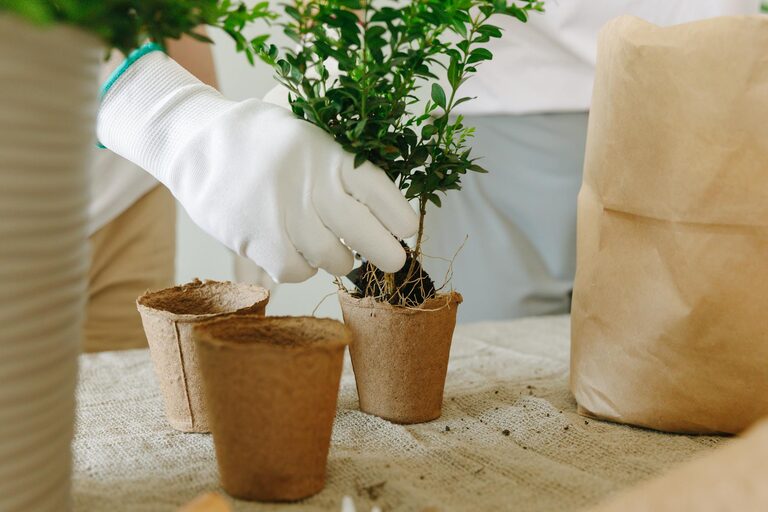
– Avoid Single-Use Plastics: Choose durable containers or biodegradable pots for starting seedlings.
– Solar Lighting: Use solar-powered garden lights to reduce electricity consumption.
Encourage Wildlife and Pollinators
A healthy garden supports local biodiversity.
– Plant a Variety of Flowers: Different blooms attract bees, butterflies, and other pollinators.
– Provide Shelter: Install birdhouses, bat boxes, or insect hotels to create habitats.
– Avoid Chemical Sprays: Protect wildlife from harmful chemicals by using natural alternatives.
Maintain Your Garden Sustainably
Ongoing care can keep your garden sustainable through the seasons.
– Rotate Crops: Change planting locations each year to reduce soil depletion and prevent pests.
– Harvest Responsibly: Pick only what you need to allow plants to continue producing.
– Save Seeds: Collect seeds from your healthiest plants to grow next season naturally.
– Regularly Monitor Plants: Early identification of issues helps manage problems before they become severe.
Benefits of an Eco-Friendly Garden
Creating a sustainable garden offers many advantages:
– Reduces waste through composting and recycling
– Conserves water and energy
– Supports healthy pollinators and wildlife
– Produces chemical-free food and plants
– Enhances mental well-being through connection with nature
Final Thoughts
Building a sustainable and eco-friendly home garden is a meaningful way to contribute to a greener future while enjoying the beauty and satisfaction of gardening. Start small, be patient, and embrace the natural rhythms of the environment. Over time, your garden will flourish and become a haven for plants, animals, and your family alike.
Happy gardening!